

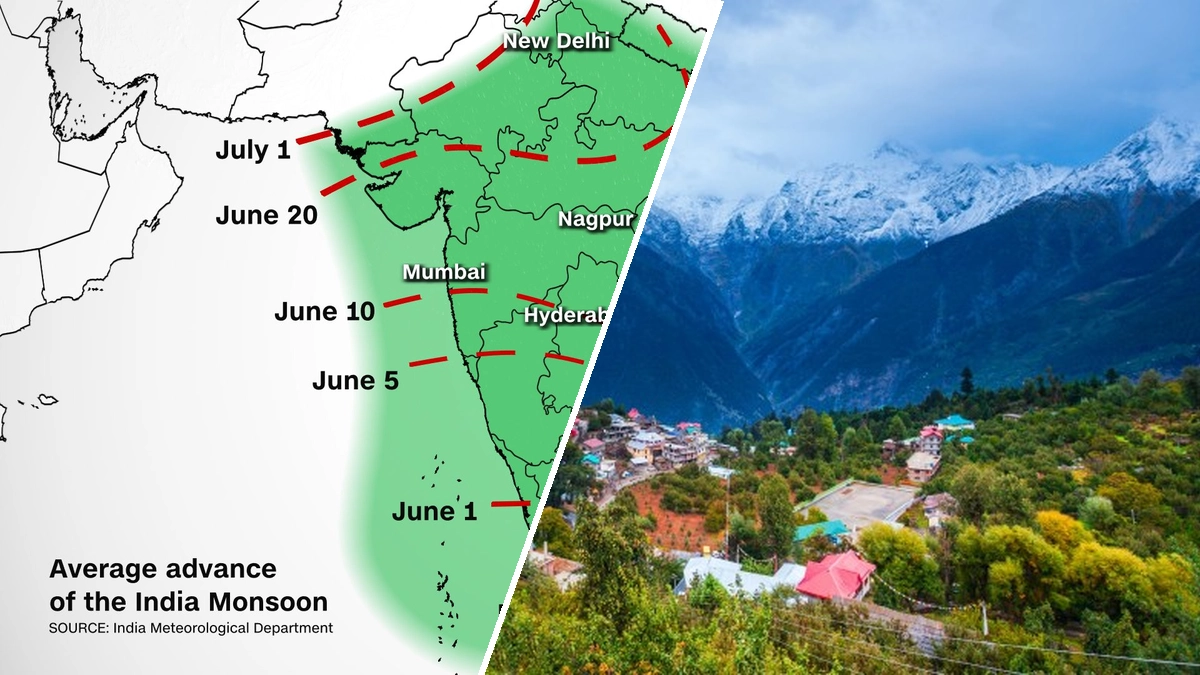
India is a land of immense geographical diversity, leading to a complex tapestry of climates that vary significantly from the snowy peaks of the Himalayas to the tropical shores of the south. Understanding the seasonal weather India experiences is crucial for anyone planning to visit or conduct business in the subcontinent in 2026. This guide provides an expert deep dive into the thermal patterns and clear sky probabilities across four representative hubs: New Delhi, Mumbai, Bengaluru, and Kolkata.
Primary phases of India weather by season
What is the nature of the Indian climate cycle? The subcontinent typically follows a four-season model, though regional variations are profound. The winter months (December to February) offer cool to cold conditions in the north and pleasant warmth in the south. Summer (March to June) brings intense heat, followed by the southwest monsoon (July to September). Finally, the post-monsoon or autumn period (October to November) serves as a transition with clearing skies.

Temperature variations across major Indian metropolises
Analyzing the India weather by season requires looking at specific data points from the country's major urban centers. In New Delhi, the capital, temperatures can soar to 102°F in May and drop to 47°F in January. In contrast, Bengaluru, known for its pleasant weather, rarely sees temperatures exceeding 92°F, even during the peak of summer.

The following table illustrates the average high temperatures (°F) for 2026 based on historical trends:
| Month | New Delhi | Mumbai | Bengaluru | Kolkata |
|---|---|---|---|---|
| January | 68 | 86 | 83 | 77 |
| April | 96 | 91 | 92 | 95 |
| July | 95 | 86 | 82 | 89 |
| October | 89 | 91 | 82 | 88 |

Dynamics of spring weather India and autumn transition
The spring weather India enjoys during March and April is often considered the best time for tourism. During this period, New Delhi sees temperatures rising from a comfortable 85°F in March to a hotter 96°F in April. This season is characterized by clear skies and blooming flora before the sweltering heat of May takes hold.

Conversely, autumn weather India experiences in October and November marks the retreat of the monsoon. Skies begin to clear, especially in the north. New Delhi’s high temperature averages 89°F in October, making it ideal for visiting historical monuments. Kolkata also sees a dip in humidity, with average highs settling around 88°F.

The impact of monsoon on travel and clear sky probability
The monsoon is the lifeblood of the nation but can be a challenge for travelers. From July to August, the chance of clearer skies drops significantly. In New Delhi, the probability of clear skies is at its lowest during these months, while Mumbai and Kolkata face persistent cloud cover and heavy downpours. Checking a reliable weather forecast is essential during this window to avoid travel disruptions.

Bengaluru remains the most consistent in terms of comfort, with hourly temperatures staying in the 'comfortable' or 'warm' bands throughout the day. Meanwhile, Kolkata can feel 'sweltering' during the humid peaks of June and July. If you are looking for the most stable weather india has to offer, the southern plateau remains the top choice for 2026.

Regional hourly temperature patterns
The hourly temperature distribution reveals how heat builds up during the day. In northern cities, the 'hot' and 'sweltering' bands typically dominate from 11 AM to 5 PM during the summer months. In contrast, coastal Mumbai stays in the 'comfortable' to 'warm' range for much of the year due to the sea breeze, although humidity levels remain high.


Understanding these hourly shifts allows travelers to plan their activities better. For instance, in Kolkata, early mornings in January (around 56°F) are brisk and pleasant for street photography, while afternoons in May (95°F) are best spent indoors.

Practical recommendations for visiting India in 2026
To maximize your experience in the diverse seasonal weather India provides, consider these expert tips:
- North India: Visit between October and March to avoid the extreme heat and heavy monsoon rains.
- South India: Bengaluru is viable year-round, but the winter months offer the most crisp air.
- Clothing: Pack light cottons for the summer and monsoon, but bring heavy woolens if visiting the north in December or January.
- Health: Stay hydrated during the 'sweltering' months and keep an eye on humidity levels in coastal areas.


Final thoughts on planning for the Indian climate
India’s climate is as varied as its culture. While the seasonal weather India presents can be extreme, it also offers something for every type of traveler. Whether you are chasing the spring weather India showcases in its mountain retreats or navigating the clear skies of the autumn weather India enjoys, 2026 promises to be a fantastic year for exploration. Always monitor local data to ensure your journey is as comfortable as possible across this magnificent land.